What Future-Proofing Really Means in AV Installation
Technology moves fast. That new system you installed? In a few years, it’s already showing its age. Streaming platforms add new features, video quality jumps to the next standard, and suddenly your video calls are stuttering because the infrastructure can’t keep up.
The last thing you want is to rip open finished walls just to stay current. You need a system that evolves with you. That’s exactly why knowing what future-proofing means in AV installation matters before you start any project. Keep reading for greater insights into the foundation of an effective setup.
The Hidden Issue Most People Overlook
When people think about upgrades, they picture swapping out a display or adding better speakers. The biggest limitations usually sit behind the scenes. Infrastructure determines whether your system evolves easily or becomes expensive to modify.
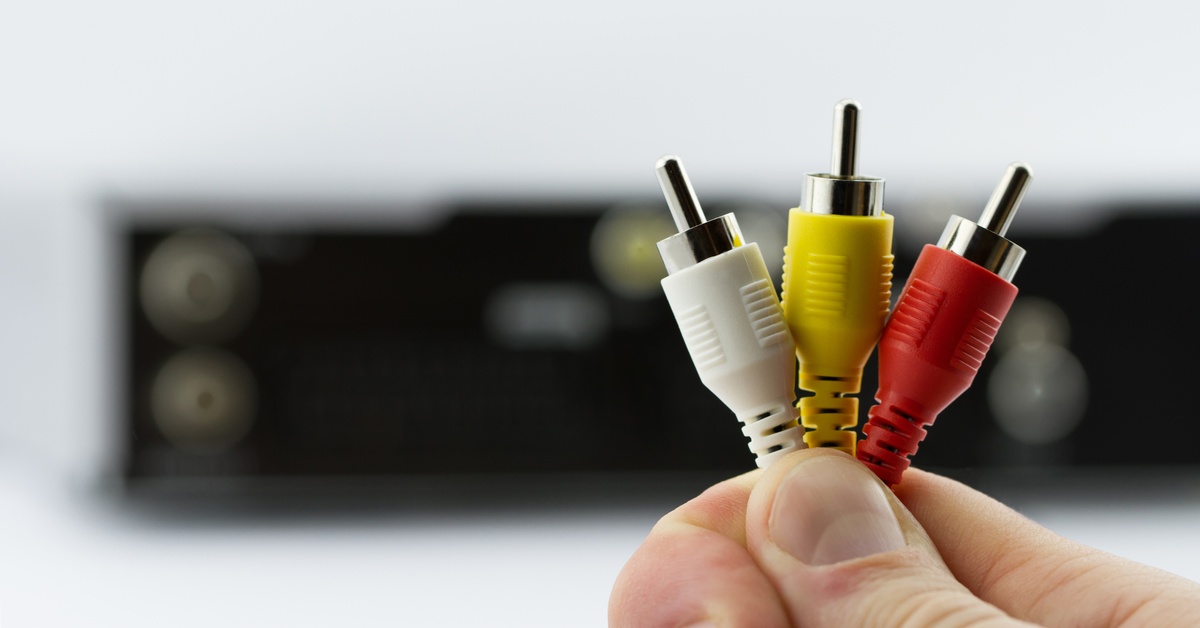
Cabling, network capacity, rack space, and system architecture form the backbone of your setup. If those elements can’t support new technology, even the best devices won’t perform well. That’s where many installations fall short.
Instead of building around today’s minimum requirements, smart design builds in headroom.
What Should You Prioritize?
So what does future-proofing involve? It means designing for flexibility from day one. You don’t lock yourself into rigid systems. You don’t max out capacity on day one. And you don’t assume your needs will stay the same for the next decade.
When professionals approach audio visual installation with long-term thinking, they focus first on structure and scalability. They consider how you’ll expand, adapt, and integrate new technologies years from now. The goal isn’t to predict every device that will exist—it’s to make sure your system can handle change without major disruption.
Infrastructure Comes First
The most future-ready systems start with strong infrastructure. You may never see these components once the project finishes, but they determine how easily you can grow.
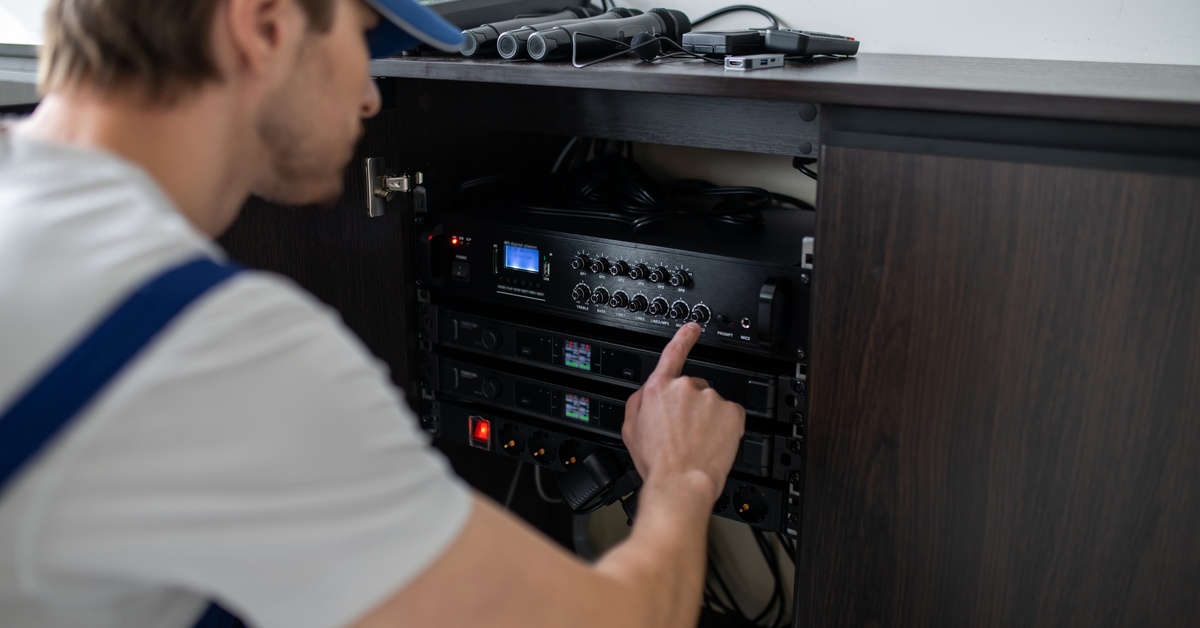
That includes installing cabling that exceeds current bandwidth demands and creating pathways that allow additional wiring without demolition. It means choosing network hardware with capacity to spare and designing equipment spaces with room for expansion.
When you prioritize infrastructure, upgrades feel manageable. Without it, even small changes can turn into large projects.
Design Around Real Life
Your system should reflect how you live and work. A young homeowner might focus on immersive entertainment today but later need dedicated work-from-home capabilities. A growing business might start with one conference space but expand into multiple collaboration rooms.
If you design narrowly around current priorities, you create limitations down the line. Instead, you should ask how your space might evolve. Will you add smart lighting? Expand security features? Increase remote connectivity?
Future-proofing starts with these conversations. It aligns the system with your lifestyle so it remains relevant through changes.
The Network Is the Heart of Modern AV
Every modern AV system relies on a strong network. Streaming video, video conferencing, automation, and control platforms all compete for bandwidth. As content quality increases, so do data demands.
If your network barely handles today’s usage, it won’t survive tomorrow’s expectations. Lag, dropouts, and inconsistent performance often trace back to underpowered infrastructure.
A future-proofed system anticipates higher throughput requirements and additional devices. It creates room for growth without requiring a complete redesign in a few short years.
Control Systems Must Be Flexible
Updates in hardware offer better displays, faster processors, and more endpoints. However, none of that matters if your control system can’t handle it.
Rigid programming makes expansion difficult. Flexible control platforms allow new components to integrate without rewriting the entire system. Remote update capabilities also keep your system current without constant on-site visits.
When flexibility guides programming decisions, your system remains adaptable rather than restrictive.
It’s Not Just About Entertainment
Most people think AV means screens and speakers, but integrated systems do much more. If you’re planning to age in place, technology helps you stay independent. Voice control, smart lighting, and remote monitoring make daily life easier and safer. For businesses, scalable AV means better communication and room to grow.
Design for these possibilities to avoid needing expensive retrofits.
Customization Extends System Lifespan
Generic solutions rarely age well. Every home and business uses technology differently. When someone applies a one-size-fits-all approach, they often overlook details that matter long-term.
Aztec Sound designs systems around how you use your space—not around some cookie-cutter template. That matters because when we understand your daily routine and what’s important to you, we can build something that grows with you instead of becoming obsolete.
Smart Budgeting Is Key
Future-proofing doesn’t mean overspending; it means spending smart. Invest more in network infrastructure and structured cabling, the backbone that’s expensive to change afterward. Choose displays you can swap out easily as technology improves. Leave physical space for additional equipment, even if you’re not installing it in the moment.
This approach protects your investment without inflating upfront costs. You’re putting money where it creates lasting value, not chasing features you don’t need yet.
The Risk of Short-Term Thinking
When installers design only for today, problems eventually surface. Limited capacity makes expansion difficult. Outdated hardware restricts compatibility. Minor upgrades turn into major renovations.
These issues frustrate homeowners and disrupt businesses. They also cost more than thoughtful planning would have in the beginning. You can’t prevent every technological shift, but you can reduce the stress and expense that often accompany it.
How To Evaluate Your Current Setup
If you already have an AV system, consider whether it truly supports growth. Can you add devices without construction? Does your network still have headroom? Can new technology integrate without replacing your control system?
If you hesitate on those questions, your system may not be as adaptable as you thought. Identifying those limitations early allows you to plan proactively instead of reacting under pressure.
Build for the Long Term
Now you know what it really means to future-proof your AV installation—and how to approach your next project with confidence. Technology will keep evolving and your system should adapt to it.
If you’re planning a new installation or considering upgrades, let’s talk. Aztec Sound designs systems around your real-world needs, so you get something that works brilliantly and stays relevant for years to come. Start the conversation today!