How To Design a Home Theater That Meets Your Family’s Needs
A home theater can be the heart of your house, a place for family movie nights, big game days, or just quiet evenings with a classic film. But creating a space that works for everyone requires more than just a big screen and some speakers. This guide will take you through how to design a home theater that meets your family’s needs, turning a good renovation idea into a great experience.
Prep Questions for Yourself
A custom home theater should reflect your family’s unique lifestyle. Do you have young children who need durable seating? Are you a film buff who craves cinematic perfection? Or perhaps you’re planning for the future, which means a design that accommodates changing mobility needs.
Answering these questions first helps you build a theater that everyone will love for years.
Start With Your Space Assessment
The room itself dictates many of your options. Measure the dimensions carefully and note any architectural features that could affect your layout. Low ceilings might limit your projector options, while lots of windows could affect your lighting control needs.
Consider the room’s current purpose, too. Are you converting a dedicated basement space, or will this theater need to double as a family room? Multi-purpose rooms require more flexible solutions.
For instance, flexible seating arrangements could be essential. You might need soundproofing that can be easily tucked away when not in use. Lighting systems might also have to adapt from movie-watching to general living.
Understand Your Family’s Viewing Habits
This step separates successful home theaters from expensive disappointments. Spend time observing how your family actually uses entertainment spaces. Do you prefer individual viewing or group experiences? Are you early adopters who love the latest streaming services, or do you stick with traditional cable?
Volume preferences are another factor to remember. Some families love immersive, theater-level sound, while others need systems that won’t disturb sleeping children upstairs.
Think about what you’ll be watching most frequently, whether it’s movies, sports, or video games. Additionally, consider how the number of people who will be using the space alongside you might vary. You should also consider whether you’ll be using your home theater more during the day or at night.
Choose Your Display Technology Wisely
Your viewing habits should drive your display choice. Bigger screens are often better for larger families, which could point you toward projector systems. Smaller groups might prefer the brightness and clarity of large-format TVs.
Room lighting plays a role here. Projectors work best in darker environments, while modern TVs can handle more ambient light.
Projector vs. TV Considerations
Projectors offer that authentic cinema feel with screens that can reach 100 inches or more. They’re also easier on the eyes during long viewing sessions. However, they require more planning for mounting, screen placement, and light control.
Large TVs provide excellent picture quality in various lighting conditions. They’re also simpler to install and maintain. The downside is size limitations and higher costs for truly large displays.
Plan Your Audio Setup
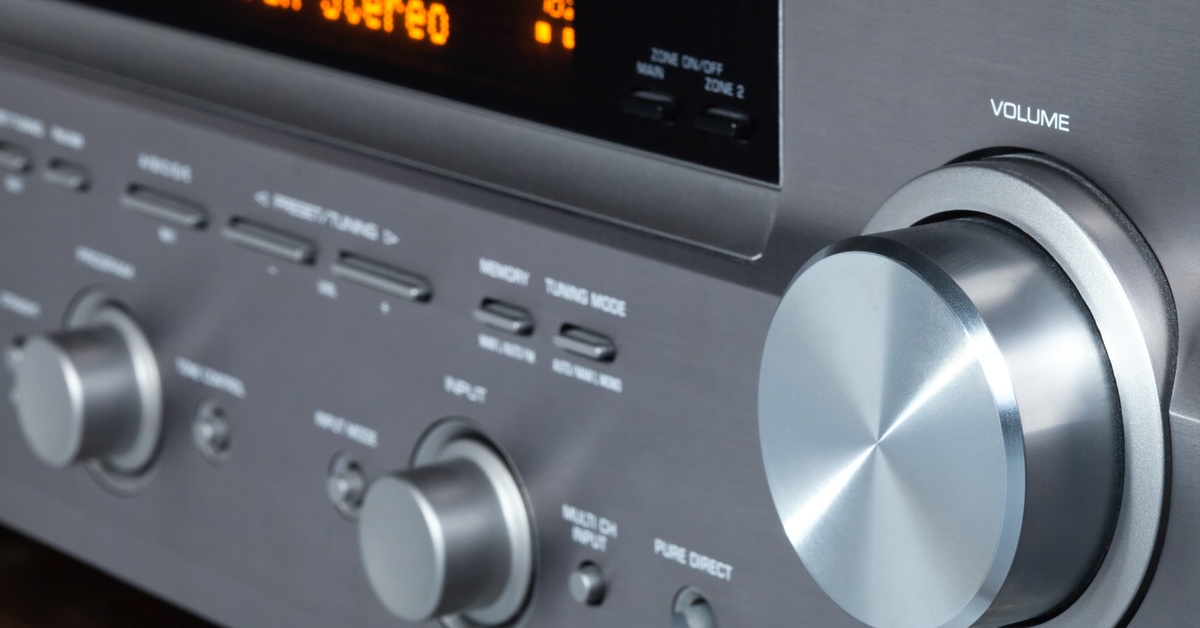
Sound is an important part of what makes a great home theater experience. Your room size and shape will influence what type of system works best. Smaller rooms might thrive with soundbars or compact speaker systems, while larger spaces benefit from full surround sound setups.
Think about your neighbors, too. If you share walls or live in close quarters, you might need to prioritize systems with better sound isolation or headphone capabilities.
Speaker Placement Fundamentals
For your front speakers, aim to get them level with your ears when you’re sitting in your main spot. Surround speakers do best a little above head height, angled slightly down toward where you’ll be listening. Subwoofers are a bit more flexible, but try to keep them out of corners to avoid that booming bass.
Design Comfortable Seating
Your seating arrangement affects both comfort and sound quality. Everyone needs a clear view of the screen, and ideally, most seats should fall within the audio system’s sweet spot.
Consider different seating types for different family members. Some prefer recliners, others like sectional sofas. If you host larger groups, you might need a mix of permanent and flexible seating options.
Select User-Friendly Controls
Complex control systems frustrate family members and guests. Your solution should make turning on the system and switching between sources intuitive for everyone who’ll use the space.
Universal remotes can simplify operation, but smartphone apps often provide more flexibility. Some families prefer dedicated tablets mounted near the main seating area.
Control Your Lighting Environment
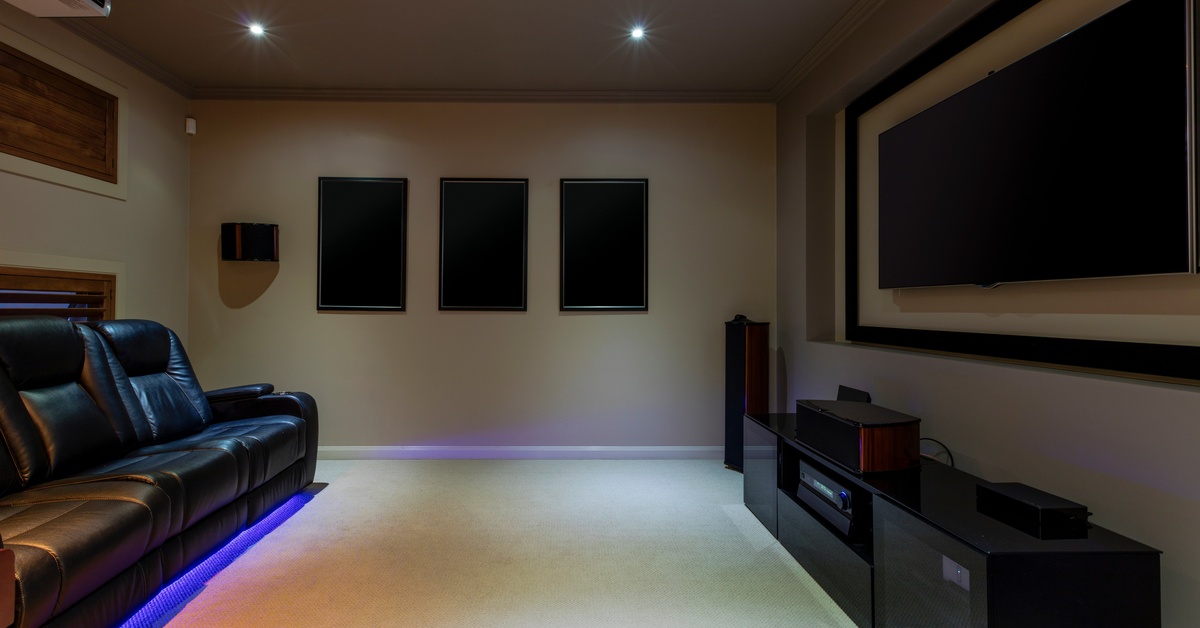
Lighting control transforms your space from an everyday room to a luxurious theater. You don’t need expensive automation systems, but you need the ability to dim or eliminate light sources during viewing.
Blackout curtains or blinds handle natural light. Dimmable overhead fixtures allow you to adjust ambient lighting for different activities. Consider rope lighting or floor-level accent lights for safe movement during movies.
Ambient Lighting Options
Bias lighting behind your screen can reduce eye strain during long sessions. For the room, soft, warm perimeter lighting keeps things visible without messing with your display. Just avoid any lights that’ll glare off your screen.
Plan for Future Technology Changes
Technology evolves rapidly. Flexible installations make it easier to adapt to new streaming services, gaming consoles, or display technologies without major renovations.
When you’re running cables, leave some extra conduits for anything you might need in the future. It’s also a good idea to pick receivers and processors with more inputs than you currently need. And for your mounting systems, plan for them to handle different display sizes down the road.
Consider Professional Integration
While DIY installation saves money, professional audio-visual home installation offers advantages beyond initial setup. Experienced technicians understand how different components work together and can troubleshoot issues that might not be obvious to casual users.
They also handle complex programming that makes advanced systems user-friendly. Most families want their theater to work every time, not become a troubleshooting project.
The best home theaters reflect their users’ lifestyles and preferences. At Aztec Sound, our team visits your home to understand how you’ll actually use your space. We design custom solutions around your family’s real viewing habits, not generic templates.
Do you need help designing a home theater that truly meets your family’s needs? Let’s start with a conversation about your space and preferences. Contact Aztec Sound today to schedule your personalized consultation and take the first step toward your perfect home entertainment experience.