Everything You Need To Know About Commercial AV Setup
Technology plays a bigger role in business communication than ever before. Meetings happen across multiple locations, presentations need to look polished, and customers expect engaging experiences when they walk into a space. Yet many organizations struggle with setups that don’t work the way they should.
A poorly planned system creates daily frustrations. Teams waste time troubleshooting microphones, displays fail during important presentations, and employees lose focus when technology slows them down. Businesses need solutions that work consistently and support how people use their spaces.
That’s where a thoughtful approach to AV design makes a difference. When systems align with a company’s goals, technology becomes an asset instead of a problem. Here’s everything you need to know about commercial AV setup to make smarter decisions for your workplace.
What Commercial AV Setup Really Means
Commercial AV refers to integrated technology systems used in business environments. These systems combine audio, video, networking, and control technologies to support communication and operations. Instead of isolated devices, modern setups connect multiple components, allowing them to function as one system.
Businesses rely on them for many purposes, including presentations, training sessions, collaboration, and customer experiences. The goal is to support productivity and clarity.
When designed correctly, AV systems become almost invisible. Employees focus on their work rather than the technology powering it.
Identify the Needs of Your Business Environment
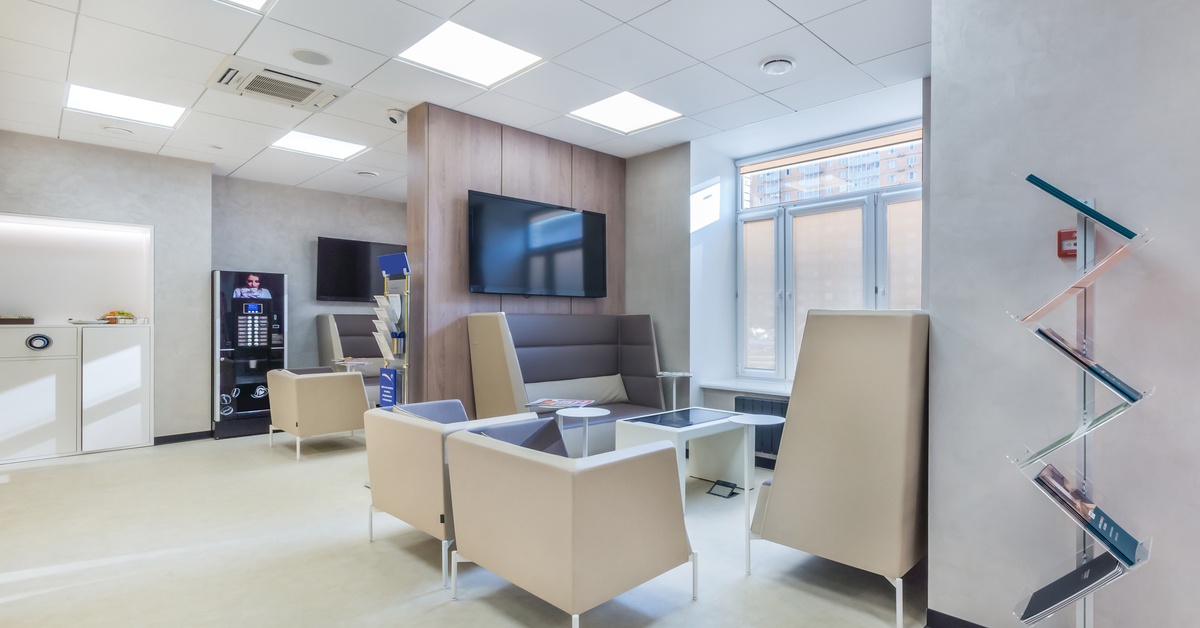
Before selecting any equipment, businesses must understand how they plan to use their space. Every organization operates differently, and AV systems should reflect those differences.
A conference room, for example, has completely different requirements than a retail showroom or training center. The people using the space and their daily workflows should guide every decision.
Start by asking a few important questions:
- How large is the space, and how many people will use it?
- Will meetings include remote participants?
- What type of presentations or media will be displayed?
- How frequently will the system be used?
- Does the space require flexibility for multiple purposes?
Core Components of a Modern AV System
Displays and Visual Technology
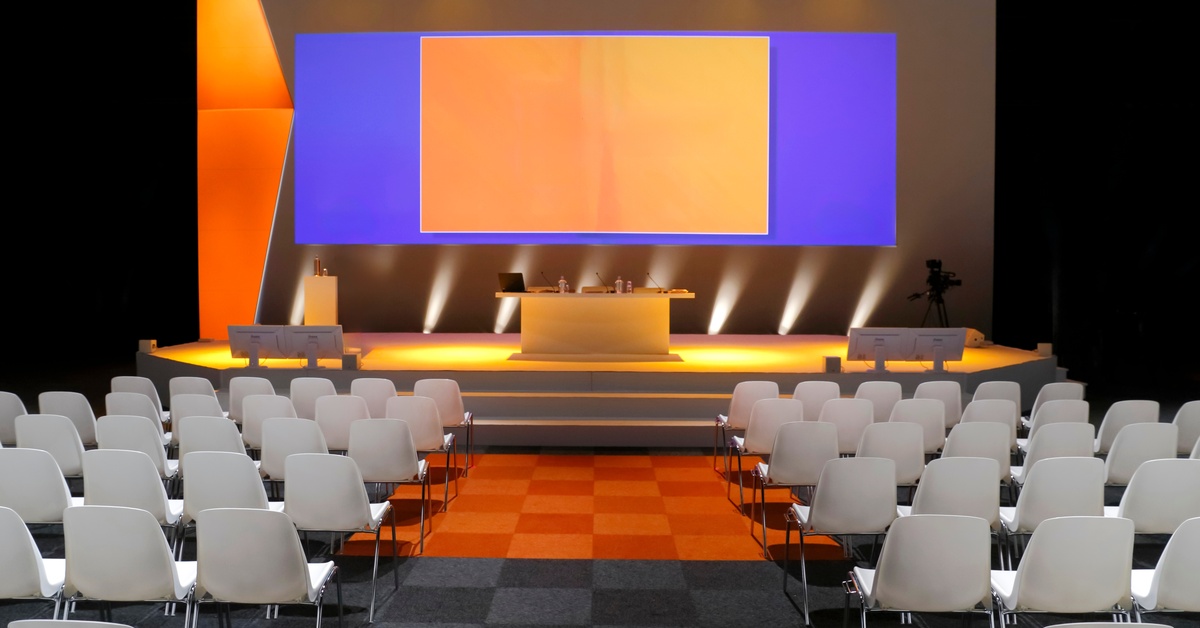
Displays act as the focal point of most AV environments. Large-format screens, projection systems, and video walls allow teams to share information clearly.
High-quality visuals help presentations land effectively. Whether reviewing data or hosting virtual meetings, everyone in the room needs a clear view.
Audio Systems
Clear audio matters just as much as visuals. Speakers, microphones, and signal processors ensure everyone can hear and be heard. Proper placement and tuning make a significant difference in performance.
Control Systems
Control systems simplify complex technology. Instead of managing multiple remotes or software interfaces, users can operate the entire setup from a single touch panel or control device.
This simplicity encourages adoption. When technology feels intuitive, employees use it confidently.
Why System Design Matters More Than Equipment
Many businesses believe purchasing high-end equipment guarantees success. However, system design contributes much more.
Technology needs to work together seamlessly. Poorly integrated devices create compatibility issues and unnecessary complexity. Professionally planned systems focus on workflow first. Designers evaluate room acoustics, lighting conditions, and user behavior before recommending equipment.
That design process leads to systems that feel effortless to use. Employees walk into a room, start their meeting, and everything works as expected.
Integration and Infrastructure Considerations
Behind every reliable AV system lies a strong infrastructure. Wiring, networking, and signal distribution support every piece of technology in the environment. These elements rarely receive attention, yet they determine how well the system performs.
Network capacity must support video streaming, conferencing platforms, and digital collaboration tools. Cabling should allow future upgrades without major renovations.
During a commercial AV installation, technicians also ensure devices communicate properly across the system. That integration allows displays, audio equipment, and control interfaces to operate as one cohesive environment.
Without this foundation, your equipment will struggle to deliver consistent results.
Scalability and Future Planning
Businesses should plan systems that adapt to future needs rather than requiring full replacements every few years. Scalable AV design allows organizations to expand capabilities over time. Additional displays, microphones, or collaboration tools can be integrated with the existing infrastructure.
Forward-thinking planning also considers software compatibility and emerging workplace trends. Hybrid meetings, digital collaboration platforms, and remote training continue to reshape how businesses operate.
Common Challenges Businesses Encounter
Even well-intentioned projects can face obstacles without proper planning. Many businesses experience similar challenges during AV implementation.
These issues often include:
- Systems that feel too complicated for everyday users
- Audio problems caused by poor acoustics or microphone placement
- Visual displays that aren’t visible from all seating areas
- Technology that doesn’t integrate with conferencing platforms
- Limited flexibility for changing room layouts
Careful design addresses these concerns and allows the system to work for both technical teams and everyday users.
The Importance of Professional Implementation
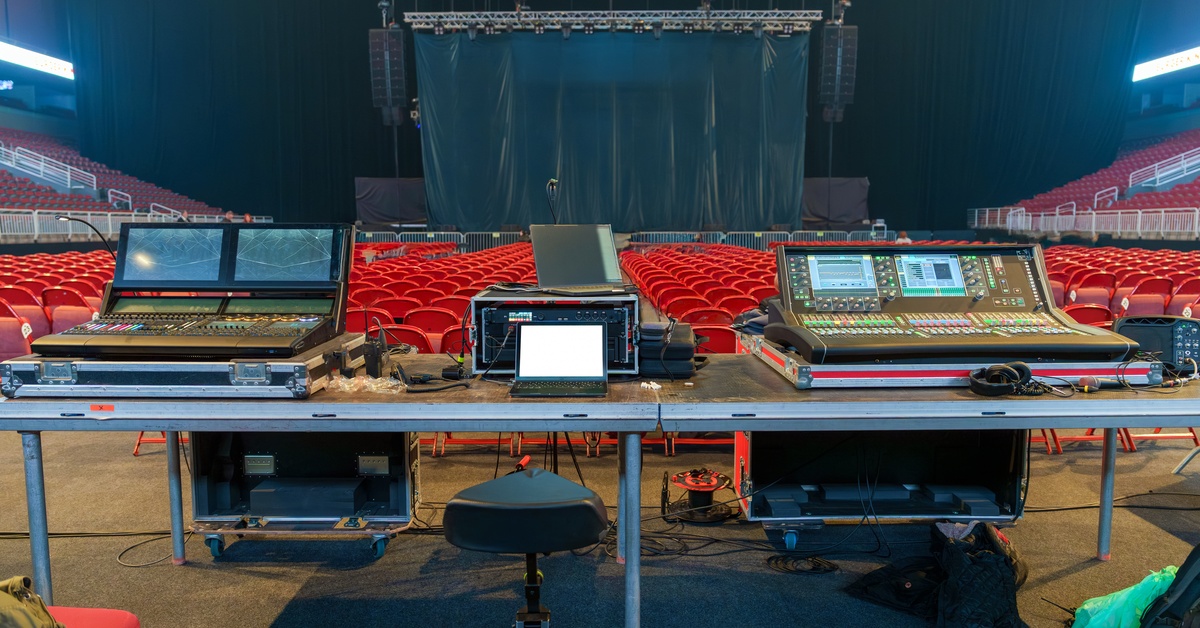
Installation represents one of the most critical stages of any AV project. Professional technicians handle system wiring, calibration, configuration, and testing. They confirm that audio levels are correctly balanced, displays are aligned properly, and control systems operate smoothly.
Experienced integrators also train staff members to use the system, eliminating confusion and helping teams get the most value from their technology. Businesses that invest in expert installation often experience fewer technical issues and longer system lifespans.
Create Better Experiences for Employees and Clients
Technology should enhance how people interact with a given space. When AV systems function seamlessly, meetings become more productive, and collaboration flows naturally.
Employees communicate more effectively during presentations and hybrid meetings. Clients visiting the space notice the professionalism and clarity of the environment.
Clear visuals, balanced audio, and simple controls remove barriers that slow down communication. These improvements create better workplace experiences and strengthen professional impressions.
Choose the Right Partner for Your AV Project
A successful project relies on more than technology. The right partner brings expertise, planning insight, and a commitment to understanding how your business operates.
Experienced integrators often begin with detailed consultations. They evaluate the space, listen to workflow challenges, and design systems that reflect real-world use.
Aztec Sound takes a customized approach to system design, focusing on how people interact with technology in their environment rather than relying on one-size-fits-all solutions. When systems align with the way teams work, technology becomes intuitive and dependable.
If your organization plans to upgrade or build a new AV environment, working with knowledgeable professionals can make the entire process smoother. Reach out to Aztec Sound to explore how a thoughtfully designed system can transform the way your team communicates and collaborates.
Understanding the intricacies of commercial AV setup helps businesses avoid common pitfalls and invest in technology that truly supports their operations. With careful planning, strong infrastructure, and expert implementation, the right system can enhance your workplace for the future.