Why Acoustics Matter in Every Home Entertainment Setup
You can spend thousands on screens, speakers, and streaming gear, then still feel underwhelmed the moment you hit play. Dialogue sounds muddy, and the bass feels weak. Every time the volume swings, it distracts from the experience.
The issue likely comes from the room itself. Once you understand why acoustics matter in every home entertainment setup, you’ll start seeing your space as part of the system, not just the backdrop.
Acoustics shape everything you hear. They influence clarity, balance, and immersion in ways no upgrade can fully fix on its own. When you address sound behavior in a room, you unlock the performance your devices already have.
The Room Shapes Sound More Than the Equipment
Most people assume better gear solves sound issues. However, your room controls how audio behaves once it leaves the speakers.
Sound waves bounce off walls, ceilings, floors, and furniture. Those reflections interact with the original signal, creating distortion, echoes, and frequency buildup. You might hear dialogue blur together, or bass notes overpower everything else.
A well-designed space effectively controls sound reflections. It manages how sound travels so it reaches your ear clearly, and it absorbs unwanted echoes. Once you fine-tune these elements, even modest audio systems can surpass expensive setups placed in untreated rooms.
Clarity Starts With Controlling Reflections
Reflections create one of the biggest problems in home entertainment environments. When sound reflects too much, it overlaps with itself and muddies detail.
You fix this by addressing early reflection points—areas where sound first bounces before reaching you. These include side walls, ceilings, and floors near your seating area. Soft materials like rugs, wall panels, and upholstered furniture help reduce these reflections.
When you control reflections effectively, you can tell the difference because every element in a mix becomes easier to distinguish.
Bass Problems Come From the Room, Not the Subwoofer
Low frequencies behave differently from mids and highs. They spread out, build up in corners, and cancel each other in certain spots. This creates an uneven bass response, where one seat feels overwhelming while another feels empty.
You can’t fix this by simply turning the subwoofer up or down. The room itself dictates how bass behaves.
To manage low frequencies properly, you need:
- Strategic subwoofer placement that avoids corner overload and dead zones
- Bass traps that absorb excess low-frequency energy
- Room measurements to identify peaks, dips, and nulls
- Calibration tools that fine-tune output based on actual room behavior
When you handle bass correctly, everything tightens up. Explosions feel impactful instead of boomy, and music gains depth without overpowering the rest of the sound.
Speaker Placement Only Works With Good Acoustics
Your speakers may be well-positioned, but they can’t perform in a poorly treated room. Placement and acoustics must work together.
You want speakers aligned with your listening position, angled correctly, and spaced for proper imaging. However, if the room reflects sound unpredictably, those adjustments lose effectiveness.
Think of placement as direction and acoustics as control. Direction tells sound where to go, while control ensures it arrives cleanly.
When both are in sync, you achieve a cohesive soundstage where audio feels anchored to the screen. Dialogue originates from the center, sound effects move naturally, and music fills the space without drifting.
Why Acoustics Matter for Immersion
Immersion depends on consistency. You need every sound frequency to behave the same way across a range of volumes and in different seating positions.
Without proper acoustics, your system feels disjointed. Loud scenes overwhelm, quiet moments lose detail, and spatial effects break apart. You never fully settle into the experience.
With the right acoustic approach, everything locks in. The sound surrounds you without any distractions. Transitions feel smooth, and your attention stays on the content.
This is where home entertainment shifts from casual viewing to a true cinematic experience.
Acoustic Design Should Match How You Use the Space
Every room serves a different purpose. Some focus on movies, others on music, gaming, or multi-use living spaces. Your acoustic approach should reflect how you use the environment.
A dedicated theater might prioritize full sound isolation and targeted absorption. A living room setup needs a balance between performance and aesthetics. Open-concept spaces require creative solutions to manage sound without enclosing the area.
This is where thoughtful planning comes in. A tailored approach always outperforms generic setups because it aligns with real-world use.
Integration Brings Everything Together
Acoustics don’t exist in isolation. They work alongside system design, calibration, and installation.
A well-executed audio visual home installation considers:
- Room dimensions, layout, and materials
- Speaker types, placement, and calibration
- Acoustic treatments that blend with the environment
- Control systems that simplify everyday use
When these elements connect, the system feels intuitive and performs consistently. You don’t need to tweak settings constantly or compensate for weak spots. Everything works as intended from the start.
Small Changes Can Create Noticeable Improvements
You don’t need a full rebuild to improve acoustics. Even targeted adjustments can deliver strong results.
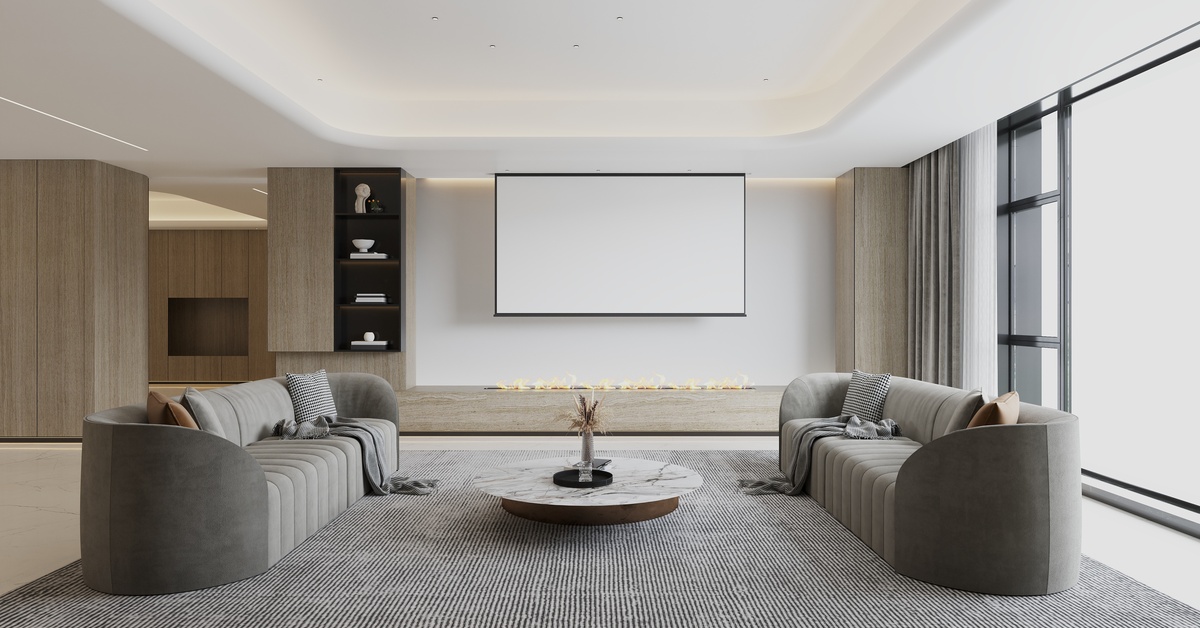
Start by evaluating your space. Hard surfaces, empty walls, and large reflective areas create most issues. Introducing soft materials, repositioning furniture, and adjusting speaker placement can make an immediate difference.
From there, you can layer in more advanced solutions, such as acoustic panels or calibration tools. Each step builds on the last, gradually improving clarity and balance.
The key is intention. Random changes won’t solve the problem, but strategic ones will.
Professional Insight Elevates the Outcome
At a certain point, guesswork limits your results. Acoustic performance depends on precise measurements, informed design choices, and experience with real-world environments.
Aztec Sound approaches each project by understanding how a client uses their space, then designing systems around that reality. If you want your system to perform at its full potential, don’t leave acoustics as an afterthought. Our team understands how sound behaves in real spaces and can tailor a solution around your needs.
Sound Quality Starts With the Space
Your equipment doesn’t define your listening experience; your room does. Once you recognize why acoustics matter in a home entertainment setup, you stop chasing upgrades and start improving performance at its source.
A well-treated space delivers clarity, balance, and immersion without forcing your system to work harder than it should. It creates consistency across everything you watch and listen to.
If your setup doesn’t sound the way you expected, the answer isn’t more gear. It’s better acoustics and the right approach to making them work for your space.